Essential Oil Painting Supplies: What I Use for Handmade, Authentic Fine Art
Chefs have their favorite knives, and writers their favorite pens. Over time, makers develop preferences for materials and tools that enhance their craft, lead to better results, and make the process more enjoyable. As an oil painter, I am no different.
I built my current toolbox over many years through trial and error. I still use tools and materials from the early days of my painting journey—some recommended by instructors at workshops I attended, while others I improvised for lack of better options. Above all, safety, quality, and dependability guide the products I choose.
Easels
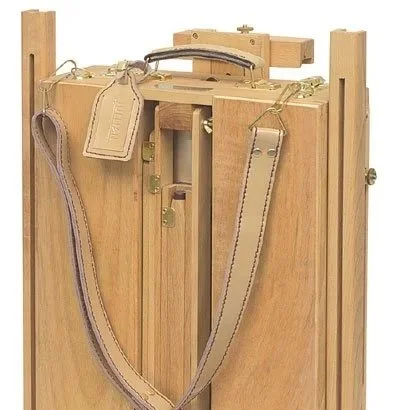
My journey in oil painting began with my first easel—a full-box French easel by Jullian, still popular today. It is truly a workhorse. I lugged it weekly to workshops, both en plein air and in the studio, for years. It remains in nearly the same condition as when I first bought it, save for the paint stains that quietly tell its story. I use it mostly for canvases or panels 20 inches or smaller. I appreciate its generous storage for paint tubes and brushes, its independently adjustable legs that handle uneven ground with ease, and the variety of angles at which the painting plane can be set. It is a bit heavy, but this does not detract from its many qualities.
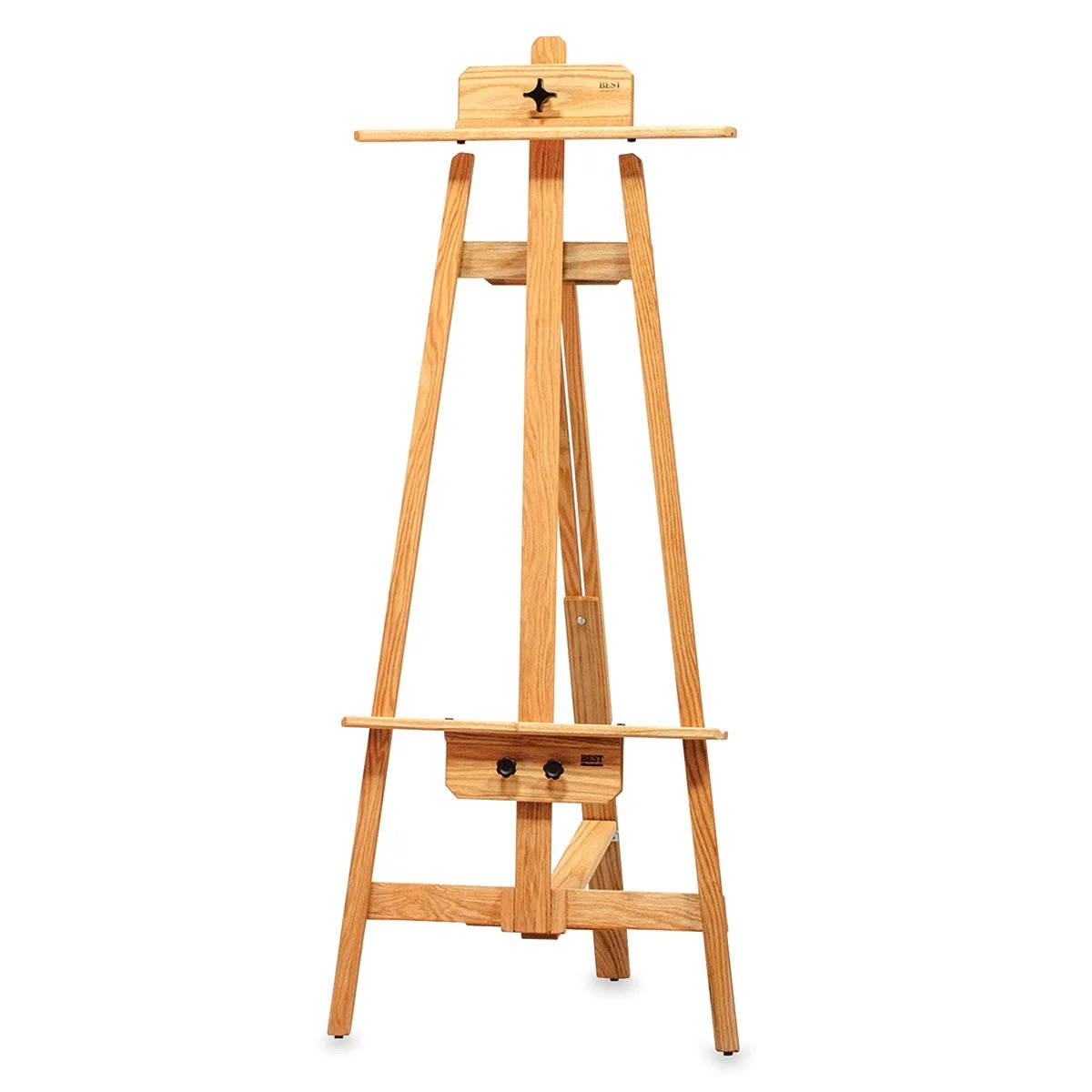
For larger paintings, I use a bigger but simpler A-frame easel—the B-Best model by BEST. It was introduced to me when I was a student at the Art Students League of Denver. I value its solid oak construction, its portability (it folds flat), its ability to support canvases up to 52 inches, and its affordable price point. It suits my current studio work perfectly: stable, dependable, and uncomplicated.
Brushes
Like a fountain pen, a painter’s brush gradually shapes itself to the pressure, angle, and rhythm of the hand that uses it. Over time, it becomes a self-customized tool of the trade. The more you paint, the more attached you become to the brushes that truly work for you.
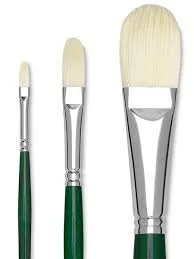
My studio holds a collection of old, new, and found long-handled brushes. Some have natural, others synthetic bristles, and each serves a specific purpose. I rely heavily on filbert brushes throughout the painting process, supplemented by flat, bright, angled-bright, and fan brushes. My brushes range in size from 0 to 12. Some have lost bristles through years of use, yet they remain invaluable for creating broken or jagged edges.
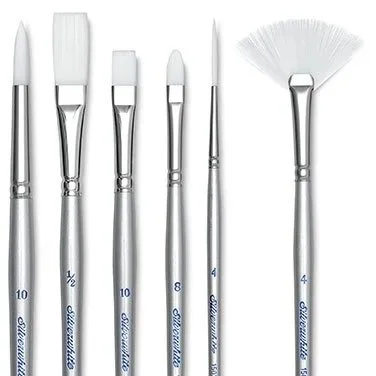
Among my favorites are Grumbacher Gainsborough bristle filbert brushes and a more recent discovery, Rosemary brushes sourced from the UK. For crisp, sharp edges, I often reach for Silverwhite synthetic brights, which hold their shape beautifully.
Painting Surfaces
I apply paint to a variety of surfaces, from stretched canvas to rigid panels such as plywood, MDF, or Masonite. Each surface has its pros and cons. The fabric weave of stretched canvas gives it tooth, which requires less effort to apply paint and adds texture to the painting. Although I love the classic look of canvas, I choose panels when I want a smoother surface.
Either way, I always apply several layers of gesso to my canvases or panels, even when working with pre-primed canvases. This allows me to establish the overall texture of the painting from the start. I have found affordable plywood and MDF panels at home improvement centers, where they can often be custom-cut free of charge.
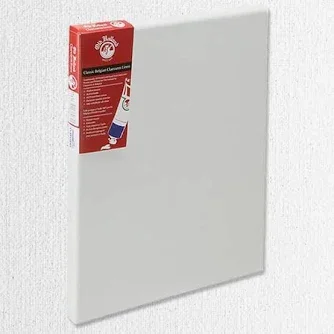
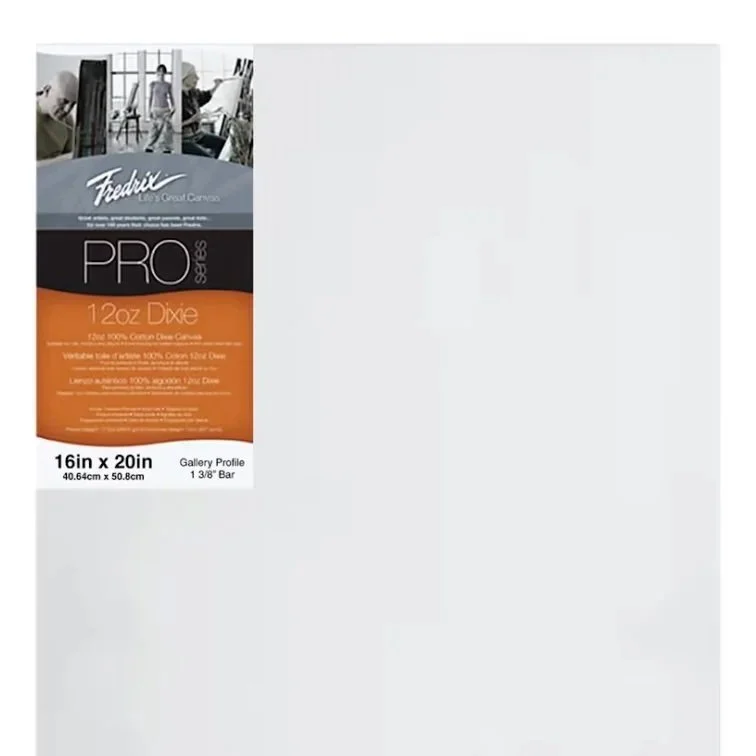
For studies and daily practice, I use the more affordable Red Label canvases by Fredrix. Fredrix also offers higher-quality canvases in its Pro Series.
Paints and Mediums
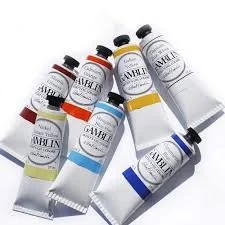
Most of my oil paints are Gamblin Artist Oil Colors. I value Gamblin products for the company’s commitment to quality and safety; their Artists Oil Colors are completely non-toxic when used as recommended. The smaller-sized 37 ml tubes are convenient to carry for plein air work and work well in the studio, but I prefer the larger 150 ml tubes for whites, as the small size runs out quickly.
In general, my palette is limited to the following colors:
· Zinc White
· Titanium White
· Ultramarine Blue
· Viridian Green
· Alizarin Crimson
· Quinacridone Violet
· Cadmium Red Light
· Red Oxide
· Yellow Ochre
· Cadmium Yellow Light
· Cadmium Yellow Medium
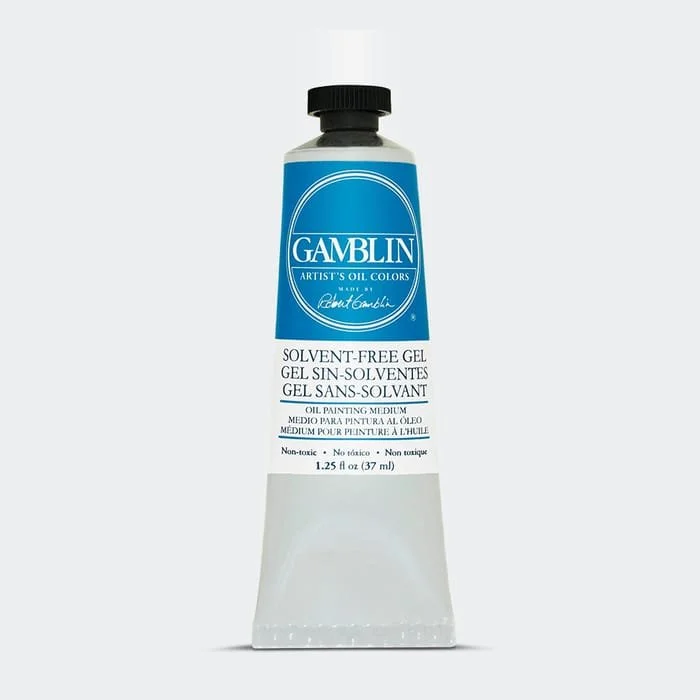
My medium of choice, which does not contain toxic solvents, is Gamblin Solvent-Free Oil Gel Medium. It helps the paint flow while maintaining the integrity of each brush stroke. I also appreciate its predictable drying time, which suits my working process well.
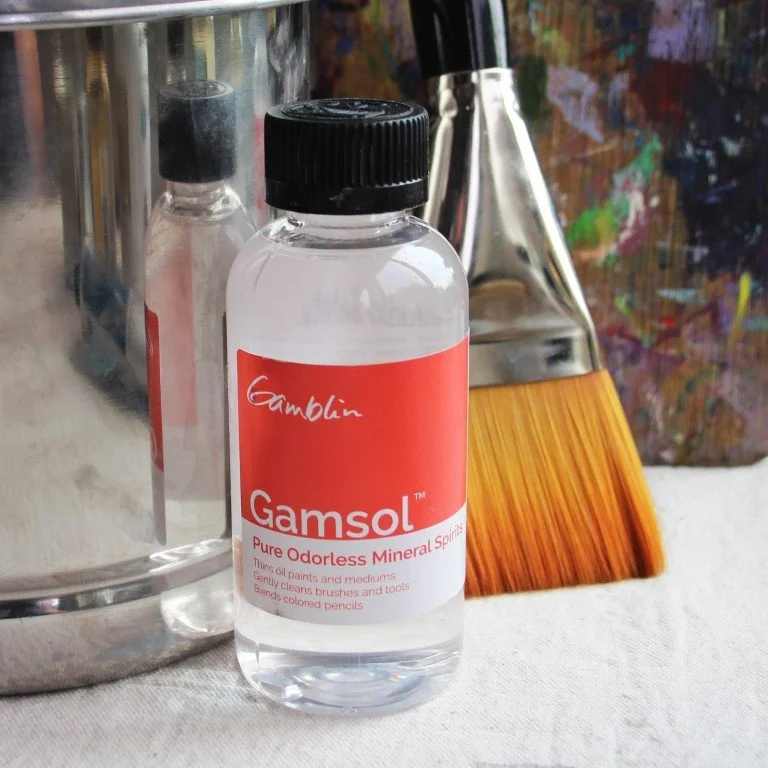
For washes and brush cleaning, I use Gamsol, Gamblin’s Odorless Mineral Spirit (OMS). While I remain cautious about its safety, it is the least toxic OMS I have found. Compared to traditional solvents—such as regular mineral spirits, paint thinner, and especially turpentine—odorless mineral spirits contain significantly fewer harmful aromatic hydrocarbons.
Varnish
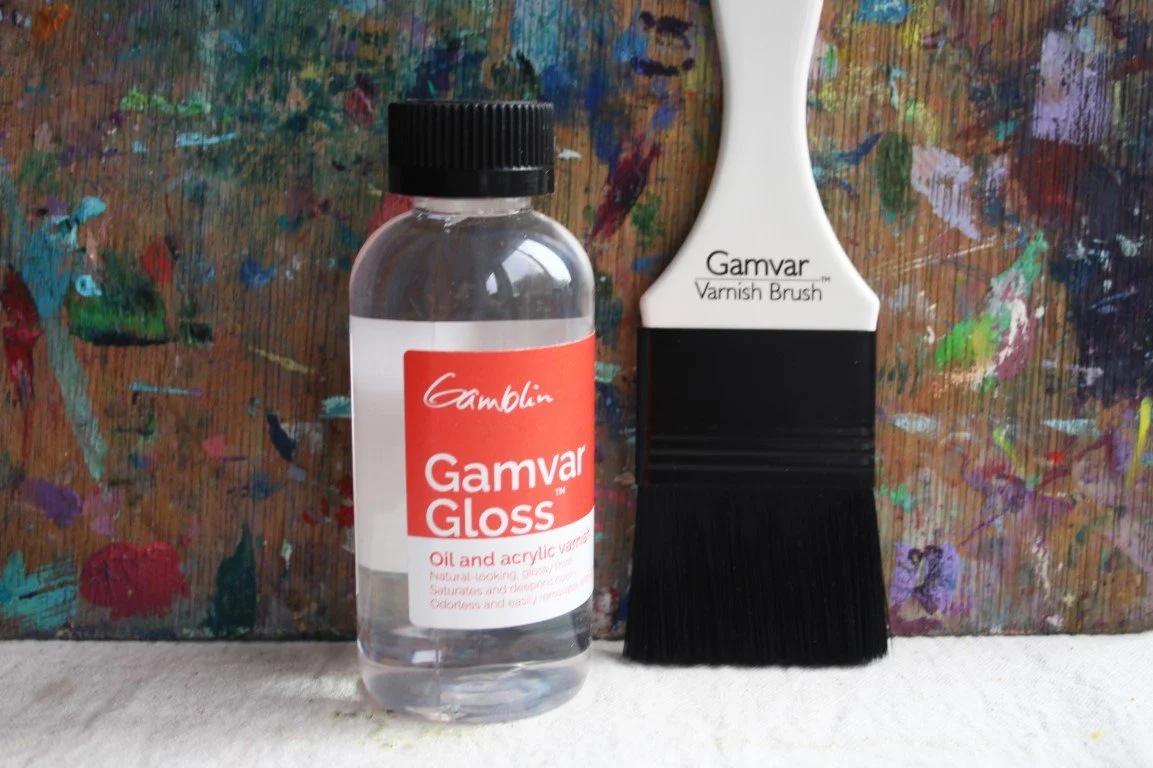
Once a painting has fully cured, I apply a protective coat of varnish. Varnish shields the surface from dirt, dust, and UV damage, while also unifying the sheen and enhancing color depth. I use Gamvar varnish and have settled on Gamvar Gloss for its water-clear, classic finish.
Mentioned Products
In the next blog post, I’ll share a glimpse into the improvised tools and supplies I’ve gathered along the way—simple solutions that have become studio staples. Stay tuned.
Affiliate disclosure: Some links on this page are affiliate links, which means I may earn a small commission if you choose to make a purchase—at no additional cost to you. I only share tools and supplies I personally use and genuinely recommend. Your support helps me continue creating and sharing my work, and I truly appreciate it.